Event calendar
2026. June
1
2
3
4
5
6
7
8
9
10
11
12
13
14
15
16
17
18
19
20
21
22
23
24
25
26
27
28
29
30
1
2
3
4
5
2026.04.24. - 2026.09.20.
Budapest
2025.05.28. - 2025.09.28.
Budapest
2025.04.17. - 2025.05.17.
Budapest
2025.04.10. - 2025.05.11.
Szombathely
2025.04.07. - 2025.04.11.
Budapest
2025.03.28. - 2025.05.11.
Budapest
M80
2025.03.05. - 2025.09.15.
Budapest
2025.02.06. - 2025.05.11.
Budapest
2024.12.13. - 2025.06.30.
Budapest
2024.12.12. - 2025.06.01.
Budapest
2012.03.01. - 2012.03.31.
Vác
2012.02.01. - 2012.02.29.
Miskolc
2012.01.22. - 1970.01.01.
Budapest
2011.10.04. - 1970.01.01.
Nagykáta
2011.10.01. - 1970.01.01.
Nagykáta
2011.10.01. - 1970.01.01.
Nagykáta
2011.09.30. - 1970.01.01.
Nagykáta
2011.09.30. - 1970.01.01.
Nagykáta
2011.07.04. - 2011.07.08.
Budapest
Hungary in Colour
Temporary exhibition 2025.03.05. - 2025.09.15.
Museum of Ethnography, Budapest

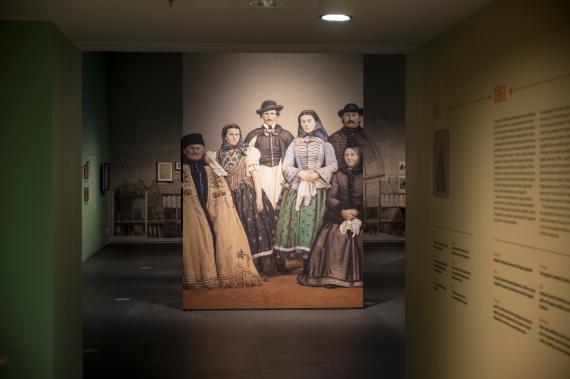
Hungary in Colour

The exhibition presents a remarkable collection never before seen in Hungary, recently discovered by researchers. The focal point of the exhibition is a series of photographs showcasing traditional Hungarian folk attire from various regions and settlements, originally displayed at the 1862 International Exhibition in London. Thought to have been lost, the photographs by János Tiedge have been loaned from the collection of the Victoria & Albert Museum in London. continue
Temporary exhibition 2025.03.28. - 2025.05.11.
Vasarely Museum, Budapest

M80

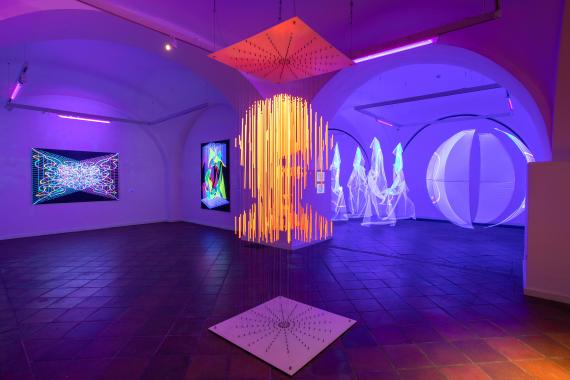
András Mengyán, a distinguished artist, designer, and professor, is a leading figure in Hungarian visual and applied arts, having been awarded the prestigious Prima Primissima Prize in 2024. continue
Temporary exhibition 2024.10.15. - 2025.08.31.
Museum of Ethnography, Budapest

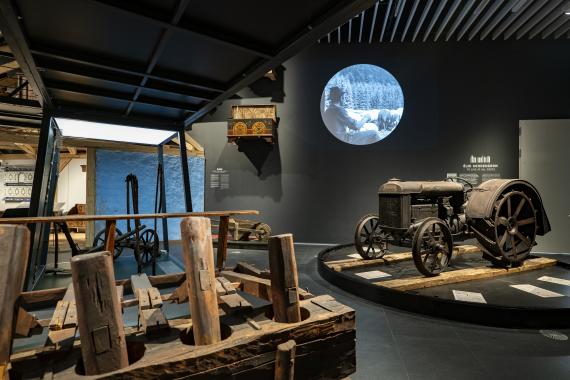
Székelys

Who are the Székelys really? What do we know about Székely Land? What ideas and beliefs do we have about the Székely people? What is the reality? How do the people of Székely Land see themselves? continue
Temporary exhibition 2024.12.13. - 2025.06.30.
Museum of Ethnography, Budapest

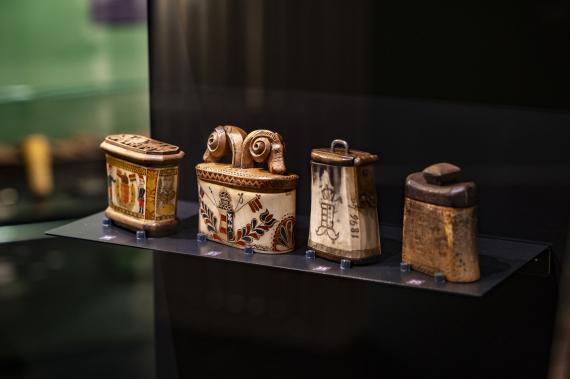
Our Most Brilliant Mind and the First Among Hungarian Scientists: Ottó Herman

By staging this joint exhibition, the Museum of Ethnography and the Museum of the Hungarian Parliament pay tribute to the memory of the great Hungarian polymath Ottó Herman on the occasion of the 190th anniversary of his birth and the 110th anniversary of his death. continue
Permanent exhibition
István Dobó Museum, Eger

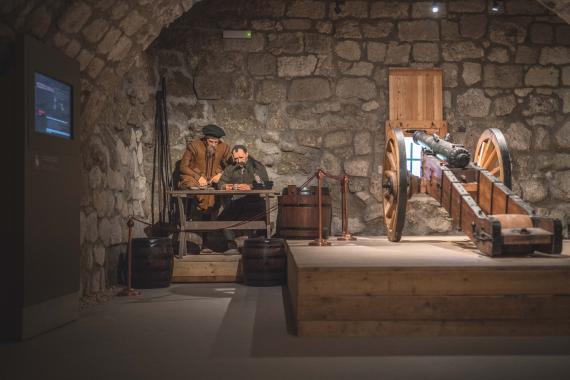
Gunpowder smoke among the stones of the fortress...

The outer and inner castle system was developed in the 1540s. The passage between them was the Dark Gate which is still visible today. The outer castle was destroyed in 1702, but the gate continued to be used and was only walled up at the beginning of the 19th century. continue
Permanent exhibition
Tokaj Museum, Tokaj

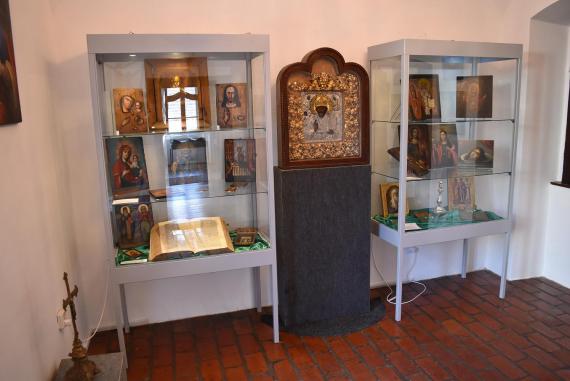
Ecclesiological Exhibition

One of the most spectacular and the most valuable unit of the museum’s permanent exhibition is the ecclesiological exhibition on the first floor. Mr. Béla Béres, a priest from Tokaj offered his 800 pieces collection to his favourite town’s museum in 1981. continue
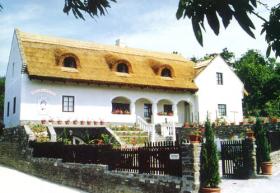
The museum building
The museum situated at the main street of the settlement was built in 1905 and took the name of Mrs. Imre Vankó (maiden name: Juli Dudás) in 1989. The minor part of the museum represents the interior of the former house of the relatively rich peasant Kurucz family. The major part of the exhibition consists of the works by Juli Dudás. continue
The museum building
The Open Air Ethnographic Collection is a unique village museum in the country existing in a living village. Its aim is to preserve the memories of the vernacular architecture using wooden framework and support. continue
The museum building
The permanent exhibition presents the paintings and personal belongings of Vidovszky Béla (1883-1973), Corini Margit (1897-1982), the painter of Paris nights, the graphics of Illéssy Péter (1902-1962) grafikái, as well as the statues of Pásztor János (1881-1945) from the National Gallery. We also open four of five temporary exhibitions per year of the works of artists related to the region. continue
The museum building
From 1980 the rebuilt museum extended its sphere of activities, and specialized for the collection of material and historical items of the modern age. In the literary history collection there are a number of Mikszáth and Madách relics. By means of the inheritance of Ernő Mihályfi the fine arts collection significantly increased. continue
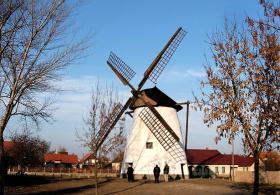
The Windmill
The mill was built by Andor Czékus in 1821. Later, György Faragó purchased it in 1900. At the beginning it was used for grinding grains in several qualities. The work was done as a family business. To use out the seasonal winds, the mill many times was running day and night. continue
The museum building
The dolls are dressed in their original cloths complemented with accessories. Original furnishing of kitchens, living rooms, and shops can also be seen. The museum provides opportunity to present the Hungarian and the European folk clothing of the dolls. continue