Event calendar
2026. June
1
2
3
4
5
6
7
8
9
10
11
12
13
14
15
16
17
18
19
20
21
22
23
24
25
26
27
28
29
30
1
2
3
4
5
2026.04.24. - 2026.09.20.
Budapest
2025.05.28. - 2025.09.28.
Budapest
2025.04.17. - 2025.05.17.
Budapest
2025.04.10. - 2025.05.11.
Szombathely
2025.04.07. - 2025.04.11.
Budapest
2025.03.28. - 2025.05.11.
Budapest
M80
2025.03.05. - 2025.09.15.
Budapest
2025.02.06. - 2025.05.11.
Budapest
2024.12.13. - 2025.06.30.
Budapest
2024.12.12. - 2025.06.01.
Budapest
2012.03.01. - 2012.03.31.
Vác
2012.02.01. - 2012.02.29.
Miskolc
2012.01.22. - 1970.01.01.
Budapest
2011.10.04. - 1970.01.01.
Nagykáta
2011.10.01. - 1970.01.01.
Nagykáta
2011.10.01. - 1970.01.01.
Nagykáta
2011.09.30. - 1970.01.01.
Nagykáta
2011.09.30. - 1970.01.01.
Nagykáta
2011.07.04. - 2011.07.08.
Budapest
Hungary in Colour
Temporary exhibition 2025.03.05. - 2025.09.15.
Museum of Ethnography, Budapest

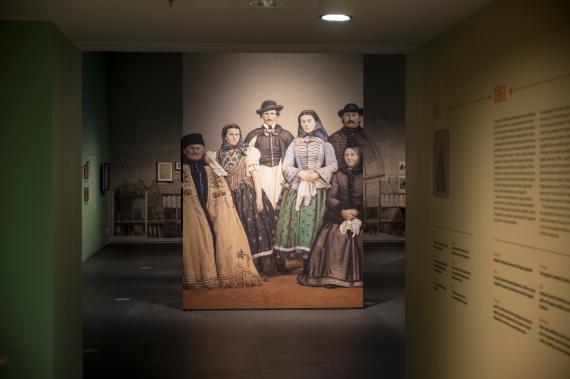
Hungary in Colour

The exhibition presents a remarkable collection never before seen in Hungary, recently discovered by researchers. The focal point of the exhibition is a series of photographs showcasing traditional Hungarian folk attire from various regions and settlements, originally displayed at the 1862 International Exhibition in London. Thought to have been lost, the photographs by János Tiedge have been loaned from the collection of the Victoria & Albert Museum in London. continue
Temporary exhibition 2025.03.28. - 2025.05.11.
Vasarely Museum, Budapest

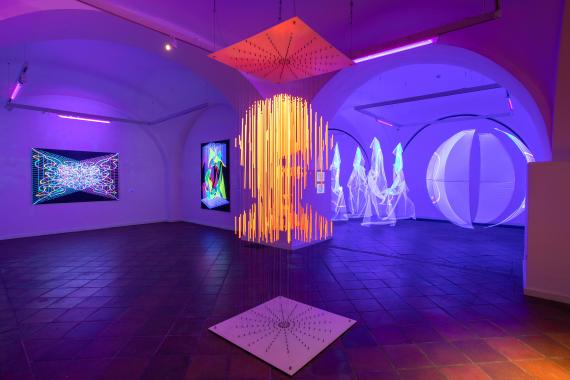
M80

András Mengyán, a distinguished artist, designer, and professor, is a leading figure in Hungarian visual and applied arts, having been awarded the prestigious Prima Primissima Prize in 2024. continue
Temporary exhibition 2024.10.15. - 2025.08.31.
Museum of Ethnography, Budapest

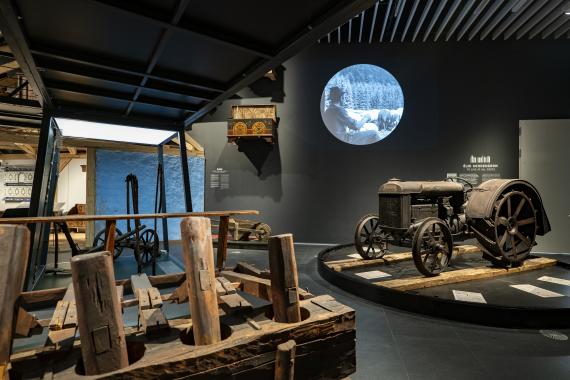
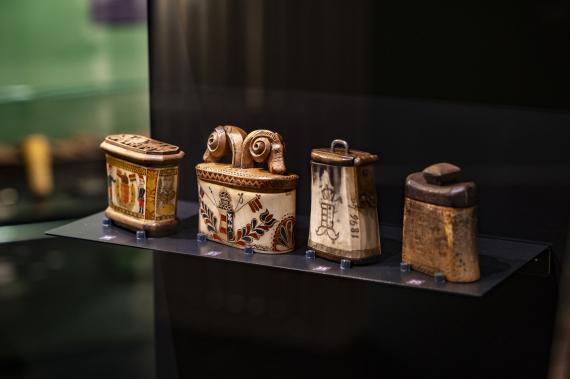
Székelys

Who are the Székelys really? What do we know about Székely Land? What ideas and beliefs do we have about the Székely people? What is the reality? How do the people of Székely Land see themselves? continue
Temporary exhibition 2024.12.13. - 2025.06.30.
Museum of Ethnography, Budapest

Our Most Brilliant Mind and the First Among Hungarian Scientists: Ottó Herman

By staging this joint exhibition, the Museum of Ethnography and the Museum of the Hungarian Parliament pay tribute to the memory of the great Hungarian polymath Ottó Herman on the occasion of the 190th anniversary of his birth and the 110th anniversary of his death. continue
Permanent exhibition
István Dobó Museum, Eger

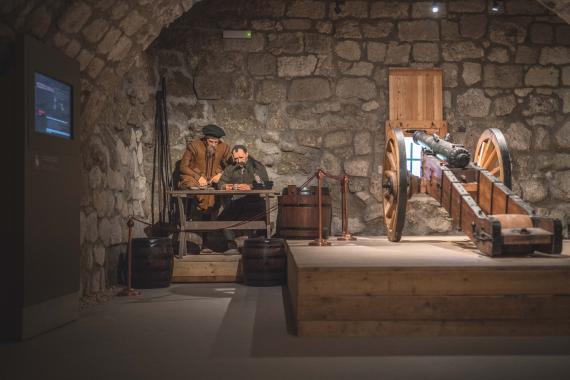
Gunpowder smoke among the stones of the fortress...

The outer and inner castle system was developed in the 1540s. The passage between them was the Dark Gate which is still visible today. The outer castle was destroyed in 1702, but the gate continued to be used and was only walled up at the beginning of the 19th century. continue
Permanent exhibition
Tokaj Museum, Tokaj

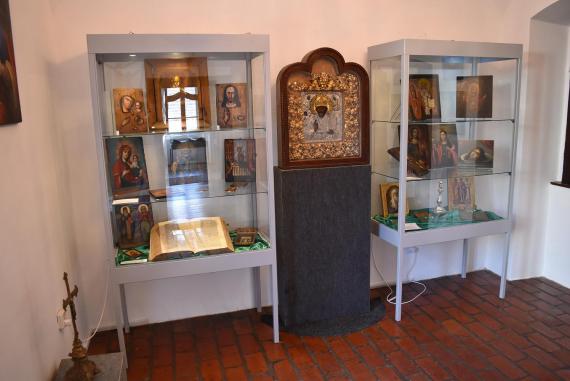
Ecclesiological Exhibition

One of the most spectacular and the most valuable unit of the museum’s permanent exhibition is the ecclesiological exhibition on the first floor. Mr. Béla Béres, a priest from Tokaj offered his 800 pieces collection to his favourite town’s museum in 1981. continue
He was born in Tompapuszta near Battonya on 28, April 1894. His father Molnár József was an estate key holder, manager and basically did all the works. His mother Jeanne Contat, was a French-Swiss governess of the children of the family. Molnár-C. Pál admired his mother. After he became a famous artist, he took on the initials from the name Contat. This is how his artist name MCP was born. continue
In this house -The wood carving of Németh Kálmán
His house in Kisalag looked like a living museum with all the statues and pictures. He included annual rings, the pinny parts of trees. Since he respected the beauty of the tree, he did not use enamel or paint, even buffer. The chairs, table and wardrobe he himself carved are all on display. continue
The palace building
The excavation works at the most well-known historic building of Visegrád began in the 1870's. The finds were moved to the National Museum. In 1927, the Castle Committee was established to save the ruins of the castle. continue
Museum entrance
The building called the 'Iron Log House' is one of the nicest buildings in Győr. It hosts the Patkó Imre collection of the Xantus János Museum. The house belonged to the chapter of Győr until the end of the 16th century. In 1833, the tradesman Zittrich Mátyás bought it. He put out an iron log under the balcony as the sign similar to those in Vienna. continue
Medieval Village
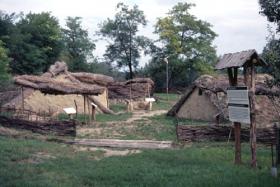
The main idea was to present the village that was excavated. The objects mirror the every day life of the villages in the Árpád era. Every house, furnace etc. are in their original size made following the structure and proportions of the findings. The material employed was those that were used in the era of Árpád. continue
The emuseum entrance opens from the inner yard of the castle
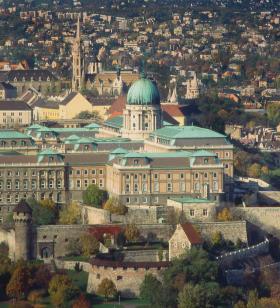
Thanks to her growing sense of nationhood and her developing middle class, during the course of the nineteenth century Hungary saw the creation of several museums. First among these new institutions was the National Museum. A museum dedicated solely to the history of Budapest came into existence only toward the end of the last century. Its core collection consisted of finds from the building sites, from archaeological excavations, and earlier collections which help shed light on of Budapest's history. continue
The gallery building
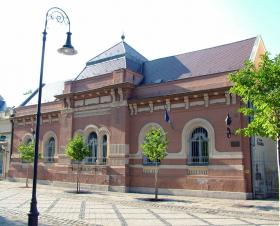
The building in Kossuth Street was rebuilt by 1989. It was named after the painter Gaál István who died at a young age. The memorial exhibition of Tóth Menyhért is open in the Gaál Imre Gallery of the Museum of Pesterzsébet where we also hold concerts, literary evenings and lectures. continue