Event calendar
2026. June
1
2
3
4
5
6
7
8
9
10
11
12
13
14
15
16
17
18
19
20
21
22
23
24
25
26
27
28
29
30
1
2
3
4
5
2026.04.24. - 2026.09.20.
Budapest
2025.05.28. - 2025.09.28.
Budapest
2025.04.17. - 2025.05.17.
Budapest
2025.04.10. - 2025.05.11.
Szombathely
2025.04.07. - 2025.04.11.
Budapest
2025.03.28. - 2025.05.11.
Budapest
M80
2025.03.05. - 2025.09.15.
Budapest
2025.02.06. - 2025.05.11.
Budapest
2024.12.13. - 2025.06.30.
Budapest
2024.12.12. - 2025.06.01.
Budapest
2012.03.01. - 2012.03.31.
Vác
2012.02.01. - 2012.02.29.
Miskolc
2012.01.22. - 1970.01.01.
Budapest
2011.10.04. - 1970.01.01.
Nagykáta
2011.10.01. - 1970.01.01.
Nagykáta
2011.10.01. - 1970.01.01.
Nagykáta
2011.09.30. - 1970.01.01.
Nagykáta
2011.09.30. - 1970.01.01.
Nagykáta
2011.07.04. - 2011.07.08.
Budapest
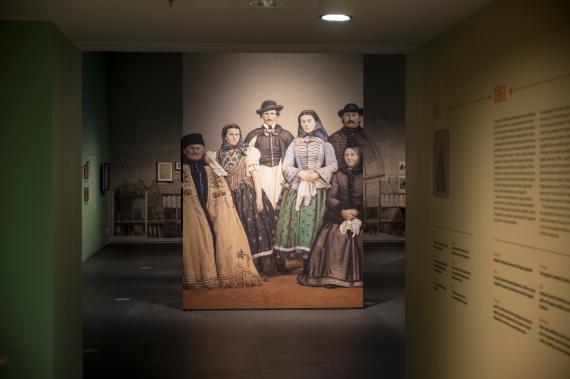
Hungary in Colour
Temporary exhibition 2025.03.05. - 2025.09.15.
Museum of Ethnography, Budapest

Hungary in Colour

The exhibition presents a remarkable collection never before seen in Hungary, recently discovered by researchers. The focal point of the exhibition is a series of photographs showcasing traditional Hungarian folk attire from various regions and settlements, originally displayed at the 1862 International Exhibition in London. Thought to have been lost, the photographs by János Tiedge have been loaned from the collection of the Victoria & Albert Museum in London. continue
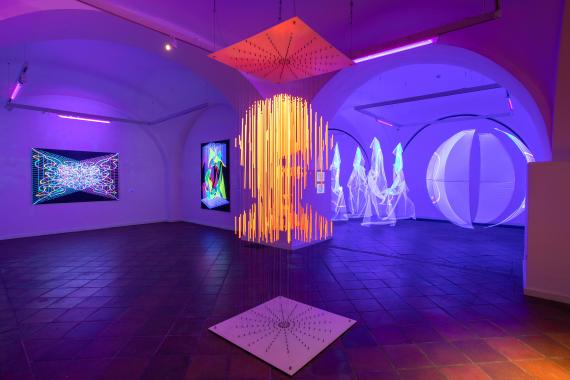
Temporary exhibition 2025.03.28. - 2025.05.11.
Vasarely Museum, Budapest

M80

András Mengyán, a distinguished artist, designer, and professor, is a leading figure in Hungarian visual and applied arts, having been awarded the prestigious Prima Primissima Prize in 2024. continue
Temporary exhibition 2024.10.15. - 2025.08.31.
Museum of Ethnography, Budapest

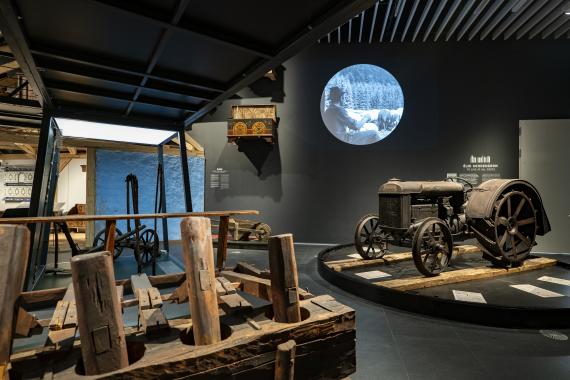
Székelys

Who are the Székelys really? What do we know about Székely Land? What ideas and beliefs do we have about the Székely people? What is the reality? How do the people of Székely Land see themselves? continue
Temporary exhibition 2024.12.13. - 2025.06.30.
Museum of Ethnography, Budapest

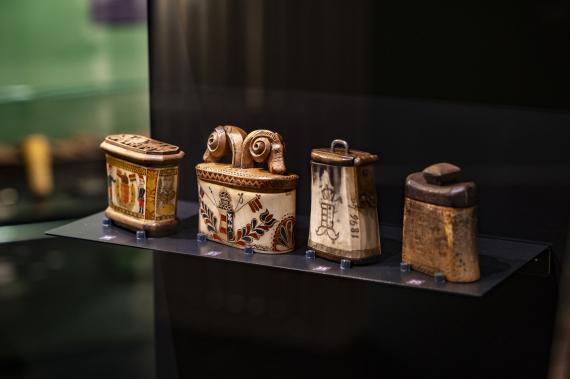
Our Most Brilliant Mind and the First Among Hungarian Scientists: Ottó Herman

By staging this joint exhibition, the Museum of Ethnography and the Museum of the Hungarian Parliament pay tribute to the memory of the great Hungarian polymath Ottó Herman on the occasion of the 190th anniversary of his birth and the 110th anniversary of his death. continue
Permanent exhibition
István Dobó Museum, Eger

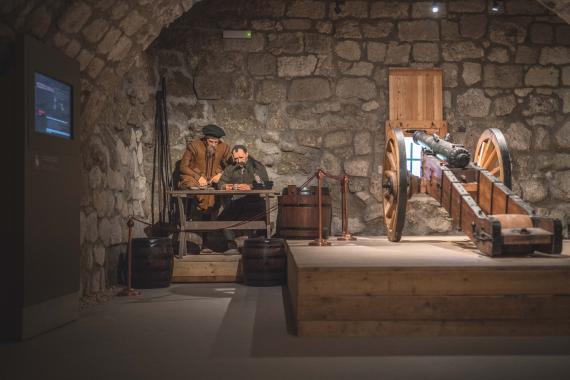
Gunpowder smoke among the stones of the fortress...

The outer and inner castle system was developed in the 1540s. The passage between them was the Dark Gate which is still visible today. The outer castle was destroyed in 1702, but the gate continued to be used and was only walled up at the beginning of the 19th century. continue
Permanent exhibition
Tokaj Museum, Tokaj

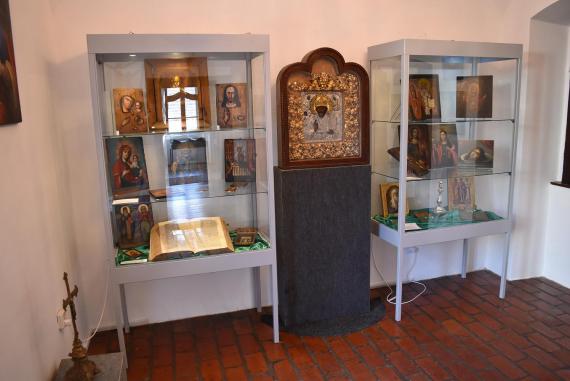
Ecclesiological Exhibition

One of the most spectacular and the most valuable unit of the museum’s permanent exhibition is the ecclesiological exhibition on the first floor. Mr. Béla Béres, a priest from Tokaj offered his 800 pieces collection to his favourite town’s museum in 1981. continue
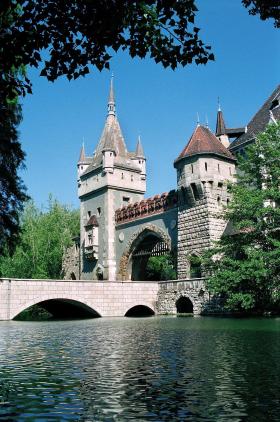
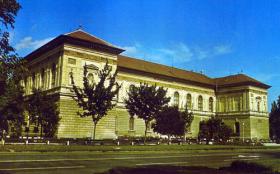
The museum building
The biggest agricultural museum of Europe was founded in the Vajdahunyad Castle of the City Park, Budapest. The building itself is unique; too, for its architect Ignác Alpár merged various styles by using single parts of significant buildings found in Hungary at the time. The building had originally been built for the Millennium Exhibition and has given place for the Museum of Hungarian Agriculture (founded in 1896) since 1897. continue
The museum and the porcelain factory
Those who visit Herend as a porcelain enthusias, will see from afar off the late classicist building of the porcelain museum. The first porcelains of Herend were born among these walls. In the 1840'ies it was rebuilt on several occasions, but the original building has not changed too much over the years. continue
Abbey of Pannonhalma (air take)
The buildings preserved the messages of different periods. The objects displayed there are even more interesting if we know that the monks who live in the monastery presently still use them. The buildings of the Benedictine Abbey of Pannonhalma and its surroundings were listed among the World Heritage in 1996. continue
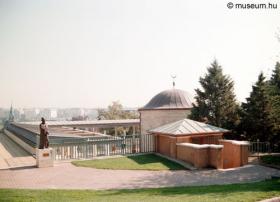
Entrance of the Gül Baba Tomb
The chapel was built in 1543-1548. Since the desecration of the tomb it has been a place of pilgrimage whish was visited by pilgrims coming from long distances and in great numbers. The tomb is a very old sacred place of the Islam, it was built at the period of the 5th or 6th Empire, and it is also the northernmost Islam sacred place. continue
The museum building
Mór Wosinsky was born in Tolna in 1854. He finished his elementary schools here, and in Kalocsa. Following his secondary education he joined the Seminary in Pécs. His interest in archeology started soon, when he was a young priest. His mentor was Count Sándor Apponyi, The enlightened liberal, well known in Europe. continue
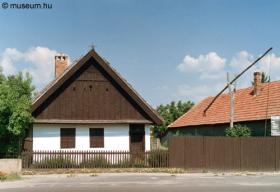
The museum building
This village populated by Roman Catholic Hungarians is one of the most famous for preserving its traditions in the Galga Valley. The village museum was opened in 1989 in a peasant house representing the local building traditions (erected in 1905). continue
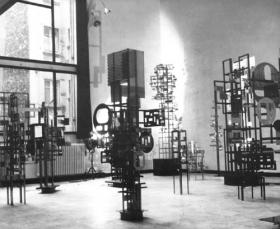
The Studio
Schöffer's student and colleague, Lajos Dargay put together the items of the permanent exhibition. The collection of 46 pieces involve works of space dynamics as well as those of cybernetics. (Near the museum there stands the 27 metres high Light House, which also reflects credit on the master. continue