Event calendar
2026. March
23
24
25
26
27
28
1
2
3
4
5
6
7
8
9
10
11
12
13
14
15
16
17
18
19
20
21
22
23
24
25
26
27
28
29
30
31
1
2
3
4
5
2025.05.28. - 2025.09.28.
Budapest
2025.04.17. - 2025.05.17.
Budapest
2025.04.10. - 2025.05.11.
Szombathely
2025.04.07. - 2025.04.11.
Budapest
2025.03.28. - 2025.05.11.
Budapest
M80
2025.03.05. - 2025.09.15.
Budapest
2025.02.06. - 2025.05.11.
Budapest
2024.12.13. - 2025.06.30.
Budapest
2024.12.12. - 2025.06.01.
Budapest
2024.10.15. - 2025.08.31.
Budapest
2012.03.01. - 2012.03.31.
Vác
2012.02.01. - 2012.02.29.
Miskolc
2012.01.22. - 1970.01.01.
Budapest
2011.10.04. - 1970.01.01.
Nagykáta
2011.10.01. - 1970.01.01.
Nagykáta
2011.10.01. - 1970.01.01.
Nagykáta
2011.09.30. - 1970.01.01.
Nagykáta
2011.09.30. - 1970.01.01.
Nagykáta
2011.07.04. - 2011.07.08.
Budapest
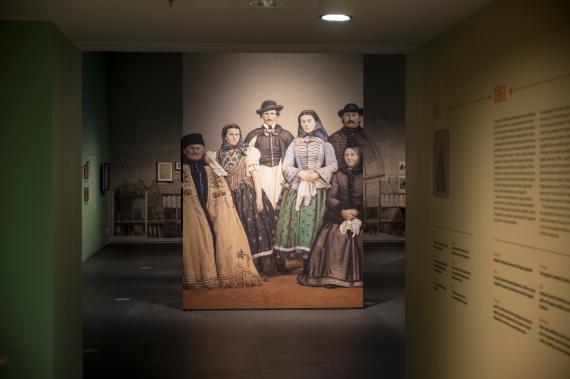
Hungary in Colour
Temporary exhibition 2025.03.05. - 2025.09.15.
Museum of Ethnography, Budapest

Hungary in Colour

The exhibition presents a remarkable collection never before seen in Hungary, recently discovered by researchers. The focal point of the exhibition is a series of photographs showcasing traditional Hungarian folk attire from various regions and settlements, originally displayed at the 1862 International Exhibition in London. Thought to have been lost, the photographs by János Tiedge have been loaned from the collection of the Victoria & Albert Museum in London. continue
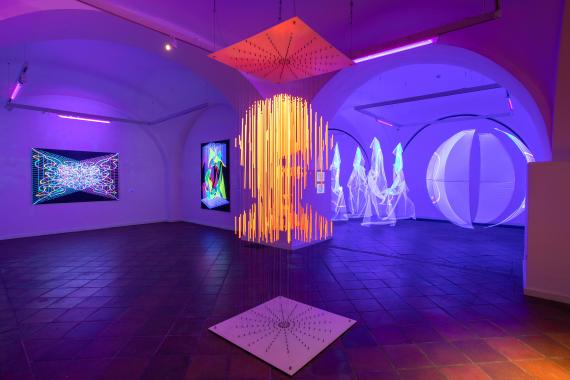
Temporary exhibition 2025.03.28. - 2025.05.11.
Vasarely Museum, Budapest

M80

András Mengyán, a distinguished artist, designer, and professor, is a leading figure in Hungarian visual and applied arts, having been awarded the prestigious Prima Primissima Prize in 2024. continue
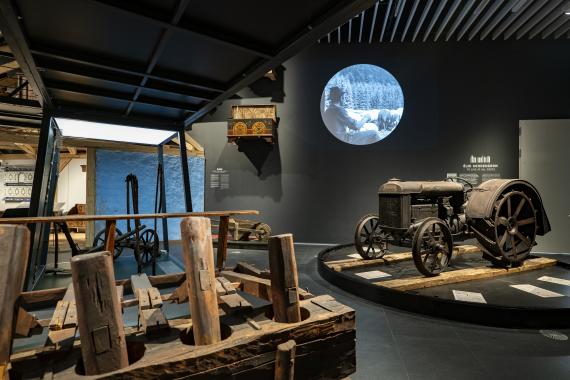
Temporary exhibition 2024.10.15. - 2025.08.31.
Museum of Ethnography, Budapest

Székelys

Who are the Székelys really? What do we know about Székely Land? What ideas and beliefs do we have about the Székely people? What is the reality? How do the people of Székely Land see themselves? continue
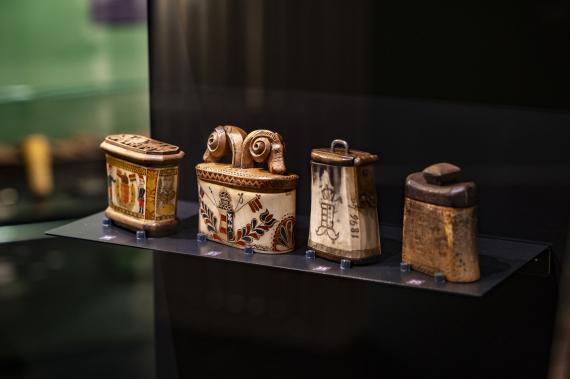
Temporary exhibition 2024.12.13. - 2025.06.30.
Museum of Ethnography, Budapest

Our Most Brilliant Mind and the First Among Hungarian Scientists: Ottó Herman

By staging this joint exhibition, the Museum of Ethnography and the Museum of the Hungarian Parliament pay tribute to the memory of the great Hungarian polymath Ottó Herman on the occasion of the 190th anniversary of his birth and the 110th anniversary of his death. continue
Permanent exhibition
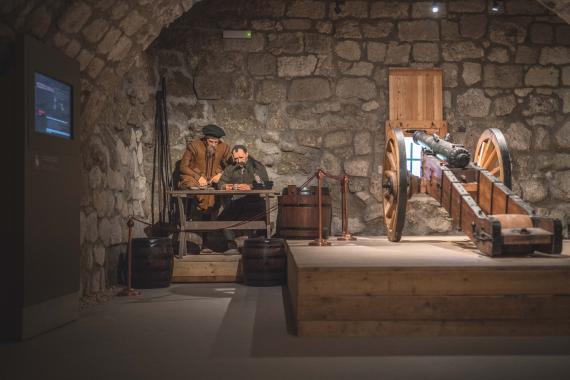
István Dobó Museum, Eger

Gunpowder smoke among the stones of the fortress...

The outer and inner castle system was developed in the 1540s. The passage between them was the Dark Gate which is still visible today. The outer castle was destroyed in 1702, but the gate continued to be used and was only walled up at the beginning of the 19th century. continue
Permanent exhibition
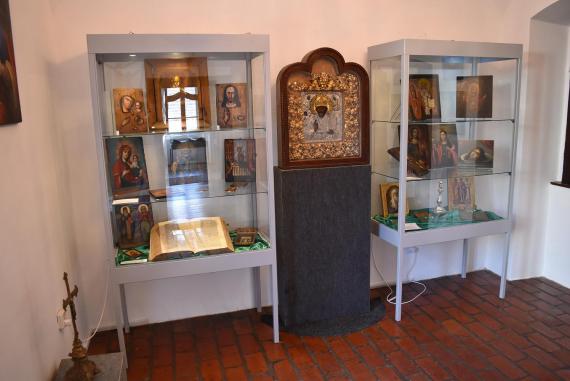
Tokaj Museum, Tokaj

Ecclesiological Exhibition

One of the most spectacular and the most valuable unit of the museum’s permanent exhibition is the ecclesiological exhibition on the first floor. Mr. Béla Béres, a priest from Tokaj offered his 800 pieces collection to his favourite town’s museum in 1981. continue
Museum entrance
The name of the school had not come about up by accident, for down to 1848 it was well known that the majority of Albertfalva belonged to the group of Kossuth-supporters. This spirit penetrated the work of the school; this gave energy to both teachers and students to ever bring high quality into their work. continue
The museum and the porcelain factory
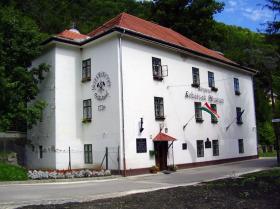
Those who visit Herend as a porcelain enthusias, will see from afar off the late classicist building of the porcelain museum. The first porcelains of Herend were born among these walls. In the 1840'ies it was rebuilt on several occasions, but the original building has not changed too much over the years. continue
The museum building
The National Metallurgy Museum is operated by the National Polytechnic Museum Institution in the Szinva Valley in the Bükk Hills. The institution is located in an old industrial building with long history. The objective of the museum is to introduce the past of metallurgy, to save objects and documents related to an industry that played such an important part in the development of human civilization. continue

Livestock Centre for gene preservation Beekeeping Institute

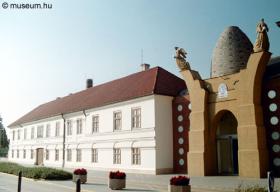
The Museum belongs to Centre for Farm Animal Gene Conservation.The building was completed in 1983 for the 29th Apimondia Congress. Its structure symbolizes three cells while the entrance door and roof give an impression of a straw skep. continue
The museum building
This museum, founded by the wife of Count Ferenc Széchényi with her collection of minerals, it is now home to 10 million items: rocks, minerals, fossils and animal, plant and human remains. continue
The new institution of the Town Museum of Paks is formed from the local historic-ethnographic collection. The Self-government of the town decided its establishment in 1993 and the construction works began in 1994. continue
The museum building
The predecessor in title of the Customs and Excise Guard Museum opened in 1930 at the Fiume Street Barracks of the Hungarian Royal Excise Guard. The objective of the founder, the controller Béla Bitterman, was to save objects that showed the history and development of the excise service for the posterity, as well as providing a large material on enquiries related to revenue proceedings for the officers to learn. continue